
Patient Advocate on 'Right to Try': ‘If there’s a treatment, you should be able to access it’

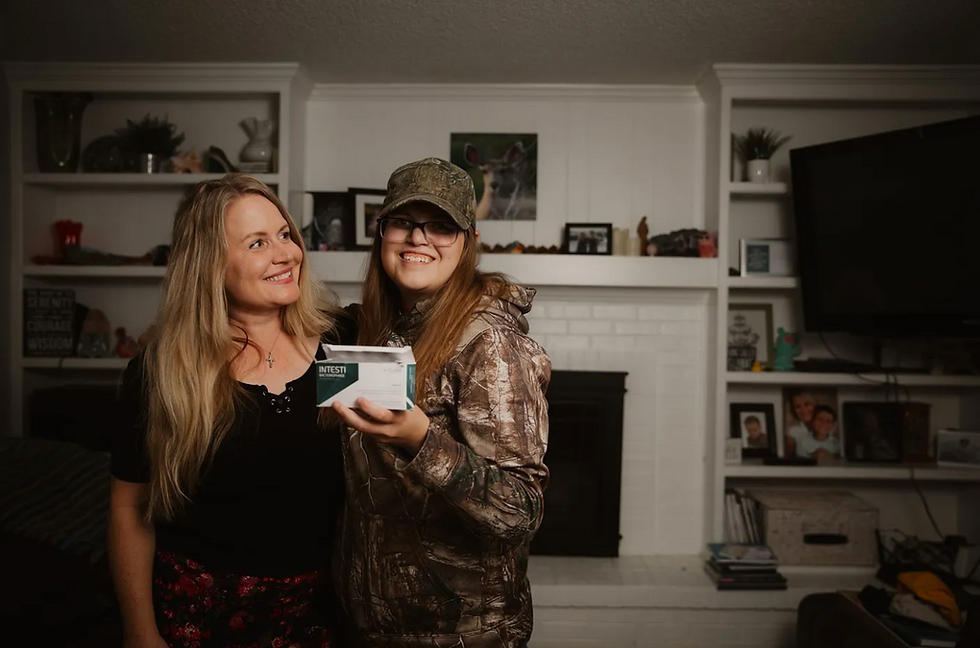
A Colorado family is pushing for expanded access to experimental treatments (Right to Try 2.0), arguing that regulatory delays can stand in the way of life-saving care.
“If there’s a treatment, you should be able to access it,” said Jenny Reinhardt on the Health Policy Podcast, describing her effort to secure an alternative therapy for her daughter Maya, who was battling a severe antibiotic-resistant infection tied to cystic fibrosis.
Listen to this episode:
Maya Reinhardt said her condition deteriorated rapidly as standard treatments failed, with doctors warning that once resistant bacteria colonize the lungs, “it’s game over.” She ultimately received bacteriophage therapy, an experimental treatment using viruses that target and destroy harmful bacteria, after her mother navigated a complex process involving out-of-state providers and international sourcing.
“Within two weeks… my infection was basically done,” Maya said, describing the results after receiving the therapy through a nebulizer.
The experience required extensive coordination, including identifying a provider, securing approval, and transporting the treatment across borders. Reinhardt said those hurdles highlight the need for reforms like “Right to Try 2.0,” which would allow patients and doctors to bypass certain federal approval processes for individualized treatments.
“The FDA approval takes like 10 years and billions of dollars. I didn’t have that kind of time,” Maya said.
Supporters argue the policy would expand access for patients with life-threatening conditions who lack viable alternatives, particularly when treatments cannot be easily patented or commercialized. Reinhardt said her daughter’s case demonstrates how delays can limit access to therapies already in use internationally.
“It was really, really, really hard… and in the meantime, she’s coughing all night,” Reinhardt said, describing the period before treatment.
Two years later, Maya said she benefited from an FDA-approved cystic fibrosis drug that stabilized her condition, allowing her to regain lung function and pursue studies in biotechnology.
“TriKafta completely changed my life,” she said.
Advocates say combining faster access to experimental treatments with continued drug development could improve outcomes for patients facing urgent, life-threatening illnesses.



Comments